Storykate: an early childhood teacher and trainer, armed with ukulele and the gift to generate endless curriculum ideas.
Hello, fellow educators!👋🏻 I'm Kate, an experienced early childhood teacher and tertiary education instructor passionate about enriching early learning. With extensive experience across various roles—from nanny and storyteller to educational leader and early childhood trainer—I bring a wealth of knowledge and innovative teaching strategies to the table. At Storykate, I'm dedicated to sharing engaging educational practices through stories, puppet shows, action songs, ukulele, mind maps and circle games. Whether you're teaching young children or training future educators, you'll find invaluable resources here. I offer a treasure trove of free resources, creative ideas, and digital products designed to enhance your teaching methods and pedagogy. I helped hundreds of students and educators achieve their professional goals. 👇Why Subscribe? Subscribe to get your hands on exclusive content that blends storytelling, puppetry, and music with effective teaching techniques. These resources are perfect for keeping your programs lively and educational, especially during circle time. 🐞Join me at Storykate to explore new ways to jazz up your teaching style and connect with a community of like-minded early childhood educators. Let’s make learning fun and meaningful together!
Storykate Stories: December
Welcome to storytime with Kate!Hey Educators!
Kate's story from practice
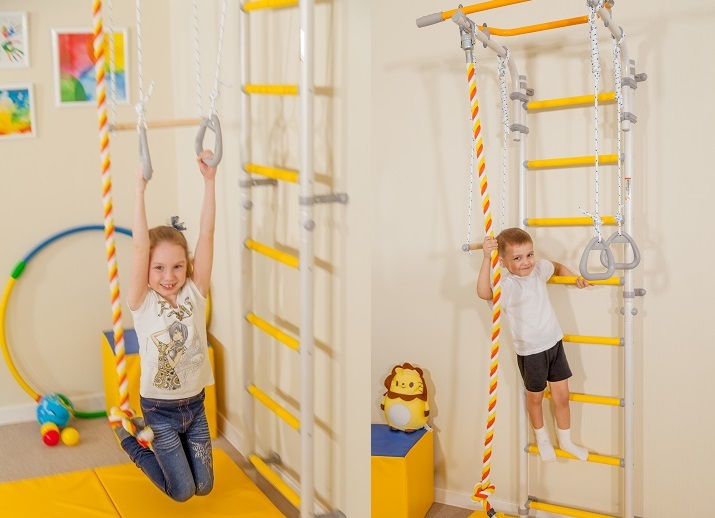
I went into the Toddler Room during the rain, and it was clear the children had so much bottled-up energy. There was screaming, there were behaviour issues, and you could see the educator was trying to run an activity. She even pulled out some sort of balancing cushion for them to walk on. But it was obvious that many of the children just wanted to jump and run. One girl kept running to the little music radio and trying to turn it on so she could dance. And I had a very reasonable question in my head. Why on earth do they keep children inside every time it rains? It wasn’t even cold outside. It wasn’t hot or cold, it was just rain. Put the children in proper clothing for the weather. It’s called a raincoat. Put on the gumboots and go outside for a walk, for goodness’ sake. Why is this not allowed? When I was little, we spent most of our time outside. If you don’t want to dress the children properly, fine, then set up an indoor hall. When I was growing up, we had a Swedish wall, we had rings, we had hoops, we could climb on it, and no one ever fell. People even had Swedish walls in their flats, and many still do. Because yes, sometimes it’s very cold, icy or stormy outside. But that doesn’t mean children shouldn’t move. Everyone understood this, especially in Scandinavian countries. Children need to move, either outside or indoors. And this is what really annoys me about Australian ECE centres. What about you?
Quote of the month: Adele Diamond
“Children need time to play and to move. These are not extras; they are central to learning.”
A theory of the month: Adele Diamond
Dr Adele Diamond is a leading expert in the interdisciplinary field of developmental cognitive neuroscience, holding the Canada Research Chair professorship at the University of British Columbia in Vancouver. I chose her, as she talks about something very important for all educators of modern times - EXECUTIVE FUNCTIONS. Adele describes EF as the mental abilities needed when relying on instinct or automatic responses would be a bad idea. EFs are considered the "mental toolkit for success" and are often more predictive of academic and career success than socioeconomic status or IQ. Dr Adele Diamond’s research on executive functions gives us a very practical way to think about behaviour, learning and play in the early years. She focuses on three core skills the brain uses to manage thinking and behaviour:
These skills can be seen even in babies and grow when children get lots of chances to practise them in real life, not from worksheets or sitting still. Activities like the arts, sports, cooking, and storytelling are excellent for training EFs because they challenge all three core functions (inhibitory control, working memory, and cognitive flexibility). Storytelling, in particular, requires sustained, focused attention and working memory without visual aids. Diamond’s work is very clear that stress is bad for executive functions. The prefrontal cortex, which supports these skills, is the first part of the brain to “go offline” when a child is overwhelmed. For educators, this means:
Games to support Executive Function developmentSimone Says Follow the Leader Merry Christmas and Happy New Year to you all! Happy Holidays! May PEACE be part of your and your children's everyday life!
WHAT IS YOUR FAVOURITE RESOURCE, BOOK OR GAME FOR YOUNG CHILDREN? Thanks for reading, and I hope these resources spark new ideas in your classroom. Stay tuned for next month’s edition; remember, creativity is key to keeping the joy in learning! All the best,
P.S. Share the Love! Explore More on Storykate What would you like me to make articles and videos about? What resources would you like me to create? Send me a message via DM or FB, and I will try my best to make it. |


Storykate: an early childhood teacher and trainer, armed with ukulele and the gift to generate endless curriculum ideas.
Hello, fellow educators!👋🏻 I'm Kate, an experienced early childhood teacher and tertiary education instructor passionate about enriching early learning. With extensive experience across various roles—from nanny and storyteller to educational leader and early childhood trainer—I bring a wealth of knowledge and innovative teaching strategies to the table. At Storykate, I'm dedicated to sharing engaging educational practices through stories, puppet shows, action songs, ukulele, mind maps and circle games. Whether you're teaching young children or training future educators, you'll find invaluable resources here. I offer a treasure trove of free resources, creative ideas, and digital products designed to enhance your teaching methods and pedagogy. I helped hundreds of students and educators achieve their professional goals. 👇Why Subscribe? Subscribe to get your hands on exclusive content that blends storytelling, puppetry, and music with effective teaching techniques. These resources are perfect for keeping your programs lively and educational, especially during circle time. 🐞Join me at Storykate to explore new ways to jazz up your teaching style and connect with a community of like-minded early childhood educators. Let’s make learning fun and meaningful together!

Welcome to storytime with Kate! Hey Educators! Spring has arrived in Melbourne. The cherry blossom near my place is already dropping petals on the grass, and children everywhere are bringing flowers inside in their pockets. This month I have been sorting through years of photos from my rooms, and I turned some of them into new resources for you. Check out my channel Kate's story from practice I have been to many, many, many early childhood services, childcare centres, family day care services...

Welcome to storytime with Kate! Hey Educators! It's hard to believe, but the winter (in Australia) is almost over. We are entering the season of orchids and true spring, when everything is in bloom and I hear a lot of birds every morning I wake up and every night when I sit at my computer working long hours. Spring is the season of rejuvenation and I hope we will enter a new era of fewer wars and conflicts, more happiness and joy. What do you like about spring (or autumn, if you are from the...

Hey Educators! OK, this is quite cold and chilly in Melbourne right now. In winter, it may be hard to keep yourself joyful and full of beans. I know it may be summer where you are - in the US or UK, Europe or Ireland. But we all have those moments when we are tired and need something to lift our mood. In search of joy, I started to write about things/people/events in life I am grateful for; I indulged in a shopping spree and bought an inexpensive but wonderful table lamp and a lot of books...